Skip to content
Pastoral Care
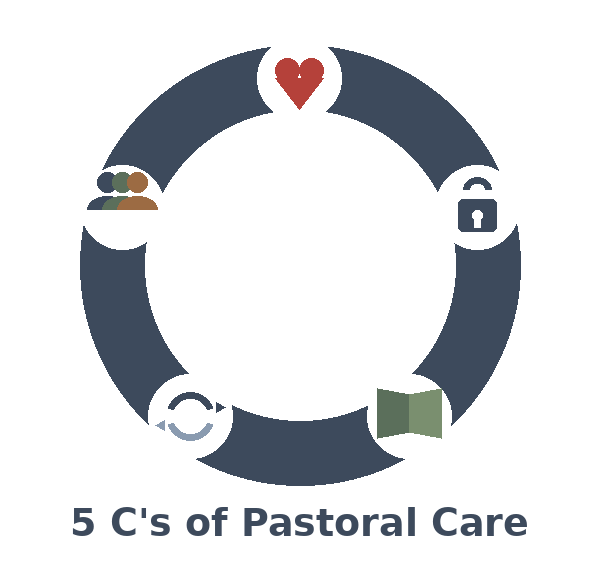
The 5 C’s of Pastoral Care
- Compassion – We extend genuine compassion towards pastors, recognizing that those who shepherd others often carry unseen burdens of their own. This means creating space for pastors to be honest about their struggles, doubts, and exhaustion without fear of judgment or diminished standing. Compassion from the network looks like checking in during hard seasons, acknowledging the emotional and spiritual weight of ministry, and responding to a pastor’s pain with empathy rather than quick fixes or unrealistic expectations. A network that cares well does not wait for a crisis to show compassion — it builds a culture where pastors know they are seen and valued as people, not just as leaders.
- Confidentiality – For pastors to be vulnerable about their needs, they must trust that what they share will be protected. The network is responsible for establishing clear boundaries around sensitive conversations, ensuring that struggles disclosed to network leadership, mentors, or counselors are not casually repeated or used against the pastor in any way. This trust must be earned and consistently honored, because a single breach can silence a pastor’s willingness to ever be honest again. Confidentiality is the foundation that allows pastors to receive care rather than simply perform wellness.
- Counsel – Pastors need access to wise, biblically grounded counsel for their own souls, not just resources to pass along to their congregations. We seek to provide pastors with mentors, counselors, or peer relationships equipped to walk with them through doubt, conflict, burnout, or moral failure. This counsel should be proactive, not only available in emergencies, and should come from people with the maturity and training to speak truth without shaming. A network that cares for its pastors ensures they always have somewhere to take their own questions and burdens.
- Continuity – Caring for pastors cannot be a one-time event or a response reserved for moments of crisis. We commit to ongoing, consistent relationship with its pastors — regular check-ins, sustained presence through both stable and difficult seasons, and follow-up that shows pastors they have not been forgotten once the immediate need has passed. This continuity builds the kind of long-term trust that allows real care to take root, and it allows the network to notice warning signs of burnout or isolation before they become a crisis.
- Community – No single leader or program can carry the full weight of caring for every pastor in a network, nor should it try. We must cultivate genuine community among pastors — peer relationships, cohorts, or gatherings where pastors can support one another, share honestly, and avoid the isolation that so often accompanies ministry leadership. This community protects pastors from carrying their burdens alone and reflects the reality that pastors, too, need to be shepherded by a body of fellow believers who understand the unique pressures of their calling.